
Bodies in the Labyrinth
After the shipwreck off Pylos, in which hundreds of people died, families found themselves trapped in a bureaucratic maze trying to identify and bury their loved ones.
Athens, Greece
On the morning of 14 June 2023, Taysir Al Ghazali—a Syrian electrician who had sought refuge in eastern Germany—was roused by unexpected news: the fishing vessel Adriana, carrying 750 migrants of various nationalities, including his brother, a nephew and three cousins, had capsized in international waters off the coast of Pylos, Greece.
Within less than 24 hours, Al Ghazali, aged 40, arrived in Athens hoping against hope that his relatives were still alive. Dozens of people wandered aimlessly around hospitals and police stations. Amidst silence and evasions in a city they did not know, they received hundreds of phone calls inquiring about the fate of other passengers. They called repeatedly, to numbers that only answered in Greek.
Thanks to WhatsApp groups set up by the families of the shipwreck survivors—many originally from the Daraa governorate in southern Syria, a region tied by dialect and kinship—they were able to connect with others. It was through these groups that Al Ghazali got in touch with Odai Al Talab, a Syrian journalist and activist who had been among the first to arrive in search of two of his brothers. Known for his hyperactive social media presence, he became a pivotal figure in the search.
Together, they learned that the Greek Coast Guard had taken the survivors to Malakasa, an island north-west of the capital. They did not hesitate, travelling to the internment camp, whose gates remained firmly shut despite the magnitude of the tragedy. Shouting through the fence, Al Ghazali managed to locate some survivors.
“Have you seen my brother Muhammad Nur Al Ghazali? Was he with you on the boat? And Shouq Al Ghazali? And Ahmad? Milad? Ma’moun Al Haraki?”
“Yes. They were all with us, 100 per cent.”
“What happened?”
“About fifteen minutes before the boat capsized, Shouq told me: ‘I’m thirsty. We’ve had no water for six days. They only gave us seawater mixed with dates.’”
Al Ghazali was unable to hold back the tears. Knowing his family had spent days without fresh water broke him. From one witness to another, he searched for a sign or confirmation.
“Did you see them afterwards?”
“It was at night.”
“When the boat capsized, nobody saw anyone else.”
“We were all thirsty. We were exhausted.”
Al Ghazali persisted, voice breaking:
“Did you really not see any of those I mentioned?”
“Afterwards, no.”
They offered only:
“We are with you, inshallah…”
Al Talab, the journalist, had been somewhat more fortunate in the tragedy. One of his brothers had survived. He was allowed to speak to him briefly before they were forced apart. During that conversation, the survivor confirmed that another brother had drowned. “Now we are only searching for bodies, nothing else,” they thought, not yet knowing whether they lay at the bottom of the sea or in some facility on land.
Meanwhile, in a world parallel to the bureaucratic chaos, Al Ghazali’s brother’s body lay in a Greek cemetery: numbered, held and frozen for months in a truck previously used for hauling vegetables. Its refrigeration failed—and the body’s dignity was stripped away.
Within less than 24 hours, Al Ghazali, aged 40, arrived in Athens hoping against hope that his relatives were still alive. Dozens of people wandered aimlessly around hospitals and police stations. Amidst silence and evasions in a city they did not know, they received hundreds of phone calls inquiring about the fate of other passengers. They called repeatedly, to numbers that only answered in Greek.
Thanks to WhatsApp groups set up by the families of the shipwreck survivors—many originally from the Daraa governorate in southern Syria, a region tied by dialect and kinship—they were able to connect with others. It was through these groups that Al Ghazali got in touch with Odai Al Talab, a Syrian journalist and activist who had been among the first to arrive in search of two of his brothers. Known for his hyperactive social media presence, he became a pivotal figure in the search.
Together, they learned that the Greek Coast Guard had taken the survivors to Malakasa, an island north-west of the capital. They did not hesitate, travelling to the internment camp, whose gates remained firmly shut despite the magnitude of the tragedy. Shouting through the fence, Al Ghazali managed to locate some survivors.
“Have you seen my brother Muhammad Nur Al Ghazali? Was he with you on the boat? And Shouq Al Ghazali? And Ahmad? Milad? Ma’moun Al Haraki?”
“Yes. They were all with us, 100 per cent.”
“What happened?”
“About fifteen minutes before the boat capsized, Shouq told me: ‘I’m thirsty. We’ve had no water for six days. They only gave us seawater mixed with dates.’”
Al Ghazali was unable to hold back the tears. Knowing his family had spent days without fresh water broke him. From one witness to another, he searched for a sign or confirmation.
“Did you see them afterwards?”
“It was at night.”
“When the boat capsized, nobody saw anyone else.”
“We were all thirsty. We were exhausted.”
Al Ghazali persisted, voice breaking:
“Did you really not see any of those I mentioned?”
“Afterwards, no.”
They offered only:
“We are with you, inshallah…”
Al Talab, the journalist, had been somewhat more fortunate in the tragedy. One of his brothers had survived. He was allowed to speak to him briefly before they were forced apart. During that conversation, the survivor confirmed that another brother had drowned. “Now we are only searching for bodies, nothing else,” they thought, not yet knowing whether they lay at the bottom of the sea or in some facility on land.
Meanwhile, in a world parallel to the bureaucratic chaos, Al Ghazali’s brother’s body lay in a Greek cemetery: numbered, held and frozen for months in a truck previously used for hauling vegetables. Its refrigeration failed—and the body’s dignity was stripped away.
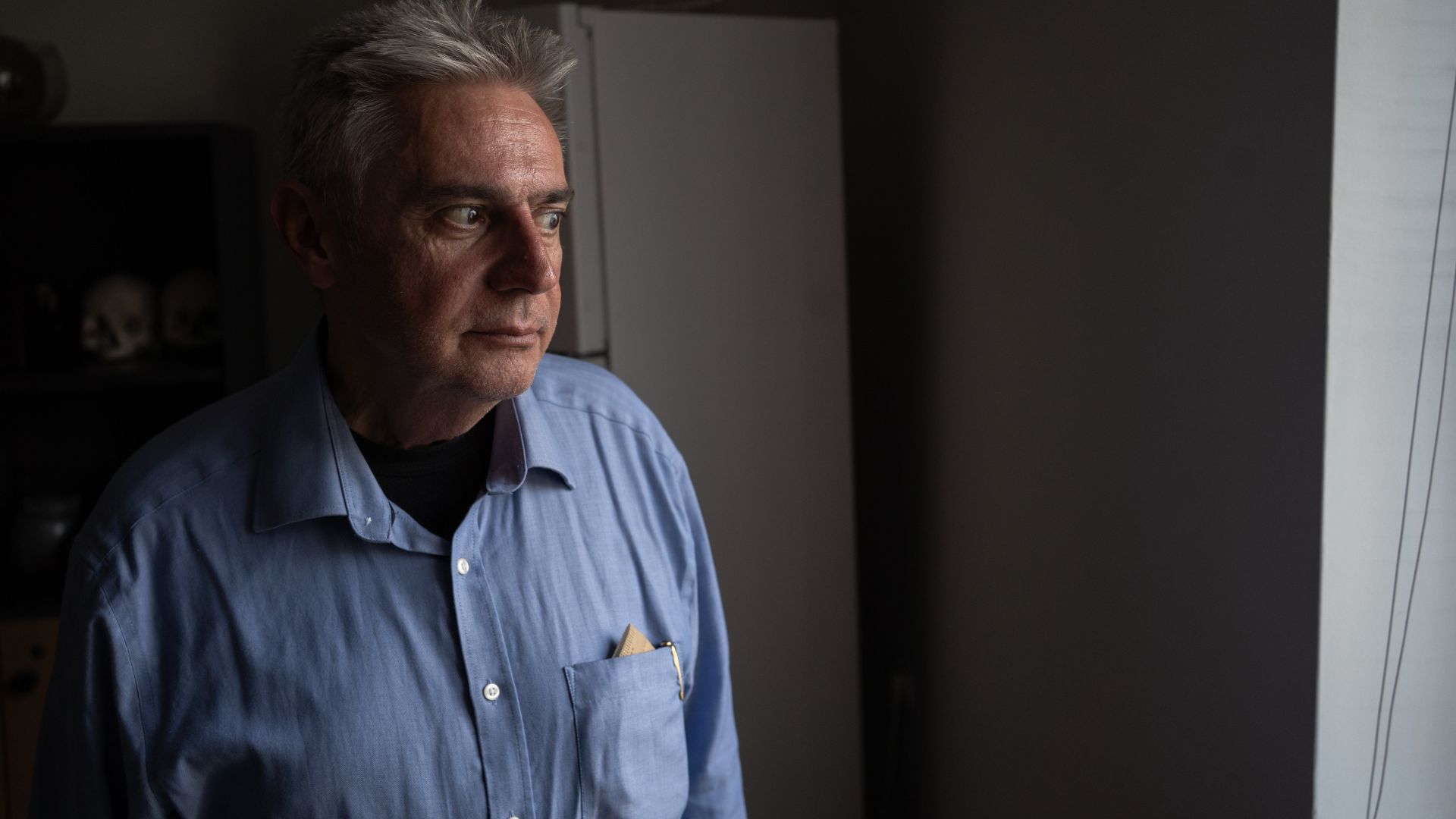
A Chaotic System
The Pylos shipwreck stands as one of the worst such disasters recorded in the Mediterranean. Baynana and 5W published a detailed account of the events in 2023: the fishing boat had set sail from Libya, where some passengers had been confined and tortured for months by local militias, and was bound for Italy. En route, food and water supplies were exhausted. They called for help. Their plea reached Greek waters.
They were observed—and even photographed—by Frontex aircraft for hours and passed at least one merchant ship, yet no rescue effort was initiated. The vessel already carried corpses when it capsized during a confused manoeuvre by a Greek patrol boat attempting to tow the faltering ship. Survivors later claimed the Coast Guard omitted its duty to render aid—an omission that has since led to charges being filed.
In the days that followed, the true horror began to emerge. The wreck had thrown 750 migrants into the sea: 648 drowned, 563 left with no trace, and only 104 survived. The Greek Coast Guard recovered 83 bodies; 72 were identified, while 11 remained nameless. It took more than a year before those 11 decomposing bodies were finally laid to rest.
The last were buried following a Kafkaesque process that dragged on for months—and without their families present to bid farewell in accordance with their traditions.
This investigation traced every step from the moment the news broke to the final graveside and the conclusion of mourning, accompanying families through an odyssey abandoned by those meant to help. Even though Greek authorities initiated a response plan, they failed neither to prevent the sinking nor to treat the victims with the standards expected of an EU member governed by the rule of law.
Their failure encapsulates the ordeal of countless families whose loved ones perish at sea: prohibitively expensive journeys, complex DNA sampling amid months of uncertainty, limited and opaque communication with Greek authorities showing neither empathy nor coordination across institutions—situations all too frequent.
Within hours, the two Syrians had shifted from searching for the living to searching for the dead. On 17 June, three days after the shipwreck, they submitted DNA samples at the Coast Guard office in Malakasa. Al Ghazali remembers traumatic details: the building’s blue hue, being the fourth person to deliver his sample and personal data, and being told results could take two to three months. Despite his efforts to follow up, he was never successful.
Natassa Strachini, the legal coordinator at Refugee Support Aegean (RSA), familiar with the identification of drowned migrants in Lesbos, pinpointed the root of the problem:
“There is no mechanism or protocol to follow. This creates a chaotic, makeshift situation.”
The identification of bodies is a lengthy, complex procedure, prone to failure due to the lack of a clear instruction manual. The Coast Guard retrieves bodies and delivers them to the nearest hospital, where a forensic pathologist must perform an autopsy to determine the cause of death and begin identification. If identity cannot be established, the body enters the unclaimed-dead procedure, ending up in a freezer, managed by the prosecutor’s office. At this point, the process falters and months of delays can follow. In Greece—and more broadly across the EU—not all administrations operate under the same rules, nor do they have adequate personnel or resources to handle unforeseen events. The absence of unified leadership and political will during disasters is evident.
In the Forensic Medicine division in central Athens—a body under the Ministry of Justice—pathologist Costas Kouvaris summarises the issues succinctly:
“When many roosters crow, dawn does not come clearly.”
Having personally overseen about 40 autopsies from the Pylos disaster, he highlighted the weaknesses of decentralised catastrophe management:
“The Coast Guard is responsible, the Police is responsible, the Ministry is responsible, the local administration is responsible… but who makes the decisions? Who really has the authority?”
Greece lacks a centralised authority to regulate forensic medicine. It is estimated that there are 45 professionals dispersed across 27 locations, under various ministries—Health, Education or Justice. This administrative fragmentation makes it impossible to get a comprehensive overview of the issue. For instance, on Lesbos the Coast Guard assigns one number per body while the forensic pathologist assigns another.
Procedures vary not just between islands but also between prosecutors. Kouvaris notes:
“In each major catastrophe we follow a different method. I don’t know why! Perhaps some people have more power than others. We must carry on in spite of all these obstacles and confusion—and most importantly: every person deserves to have a shroud or coffin that contains their true relative.”
They were observed—and even photographed—by Frontex aircraft for hours and passed at least one merchant ship, yet no rescue effort was initiated. The vessel already carried corpses when it capsized during a confused manoeuvre by a Greek patrol boat attempting to tow the faltering ship. Survivors later claimed the Coast Guard omitted its duty to render aid—an omission that has since led to charges being filed.
In the days that followed, the true horror began to emerge. The wreck had thrown 750 migrants into the sea: 648 drowned, 563 left with no trace, and only 104 survived. The Greek Coast Guard recovered 83 bodies; 72 were identified, while 11 remained nameless. It took more than a year before those 11 decomposing bodies were finally laid to rest.
The last were buried following a Kafkaesque process that dragged on for months—and without their families present to bid farewell in accordance with their traditions.
This investigation traced every step from the moment the news broke to the final graveside and the conclusion of mourning, accompanying families through an odyssey abandoned by those meant to help. Even though Greek authorities initiated a response plan, they failed neither to prevent the sinking nor to treat the victims with the standards expected of an EU member governed by the rule of law.
Their failure encapsulates the ordeal of countless families whose loved ones perish at sea: prohibitively expensive journeys, complex DNA sampling amid months of uncertainty, limited and opaque communication with Greek authorities showing neither empathy nor coordination across institutions—situations all too frequent.
Within hours, the two Syrians had shifted from searching for the living to searching for the dead. On 17 June, three days after the shipwreck, they submitted DNA samples at the Coast Guard office in Malakasa. Al Ghazali remembers traumatic details: the building’s blue hue, being the fourth person to deliver his sample and personal data, and being told results could take two to three months. Despite his efforts to follow up, he was never successful.
Natassa Strachini, the legal coordinator at Refugee Support Aegean (RSA), familiar with the identification of drowned migrants in Lesbos, pinpointed the root of the problem:
“There is no mechanism or protocol to follow. This creates a chaotic, makeshift situation.”
The identification of bodies is a lengthy, complex procedure, prone to failure due to the lack of a clear instruction manual. The Coast Guard retrieves bodies and delivers them to the nearest hospital, where a forensic pathologist must perform an autopsy to determine the cause of death and begin identification. If identity cannot be established, the body enters the unclaimed-dead procedure, ending up in a freezer, managed by the prosecutor’s office. At this point, the process falters and months of delays can follow. In Greece—and more broadly across the EU—not all administrations operate under the same rules, nor do they have adequate personnel or resources to handle unforeseen events. The absence of unified leadership and political will during disasters is evident.
In the Forensic Medicine division in central Athens—a body under the Ministry of Justice—pathologist Costas Kouvaris summarises the issues succinctly:
“When many roosters crow, dawn does not come clearly.”
Having personally overseen about 40 autopsies from the Pylos disaster, he highlighted the weaknesses of decentralised catastrophe management:
“The Coast Guard is responsible, the Police is responsible, the Ministry is responsible, the local administration is responsible… but who makes the decisions? Who really has the authority?”
Greece lacks a centralised authority to regulate forensic medicine. It is estimated that there are 45 professionals dispersed across 27 locations, under various ministries—Health, Education or Justice. This administrative fragmentation makes it impossible to get a comprehensive overview of the issue. For instance, on Lesbos the Coast Guard assigns one number per body while the forensic pathologist assigns another.
Procedures vary not just between islands but also between prosecutors. Kouvaris notes:
“In each major catastrophe we follow a different method. I don’t know why! Perhaps some people have more power than others. We must carry on in spite of all these obstacles and confusion—and most importantly: every person deserves to have a shroud or coffin that contains their true relative.”
Procedures Not Always Followed
Although Greece has not incorporated them into its automatic disaster response, protocols do exist. Since 1984, Interpol’s Disaster Victim Identification (DVI) protocol has been recommended—but not mandatory—for cases like the Pylos sinking.
Forensic anthropologist Jan Bikker, founder of the Forensic Initiative for Migrant Missing Persons, stresses the need for unified data collection and storage: a simple standardised form completed for each unidentified corpse. Such forms are routinely used in air crashes, yet they are seldom employed in cases involving drowned migrants—because, as Bikker notes, “they don’t see the benefit, because it’s a long form and takes a long time to complete.”
Some take photographs of bodies—an obvious aid to subsequent identification—while others do not. Some enter data into a shared database; others do not. Reasons include negligence, saving time, a lack of oversight—because nobody asked. These data should be shared across borders. Perhaps they are not, Bikker suggests, because it is not communicated that their transmission is mandatory. Only then could the system deliver answers.
“We need an easier way to share information between different countries—for example to file a missing person report or continue procedures in countries where the family lives. It’s not just about Europe, but going beyond, since many families are in Syria, Lebanon or in refugee camps in the Middle East and Africa.”
Forensic anthropologist Jan Bikker, founder of the Forensic Initiative for Migrant Missing Persons, stresses the need for unified data collection and storage: a simple standardised form completed for each unidentified corpse. Such forms are routinely used in air crashes, yet they are seldom employed in cases involving drowned migrants—because, as Bikker notes, “they don’t see the benefit, because it’s a long form and takes a long time to complete.”
Some take photographs of bodies—an obvious aid to subsequent identification—while others do not. Some enter data into a shared database; others do not. Reasons include negligence, saving time, a lack of oversight—because nobody asked. These data should be shared across borders. Perhaps they are not, Bikker suggests, because it is not communicated that their transmission is mandatory. Only then could the system deliver answers.
“We need an easier way to share information between different countries—for example to file a missing person report or continue procedures in countries where the family lives. It’s not just about Europe, but going beyond, since many families are in Syria, Lebanon or in refugee camps in the Middle East and Africa.”
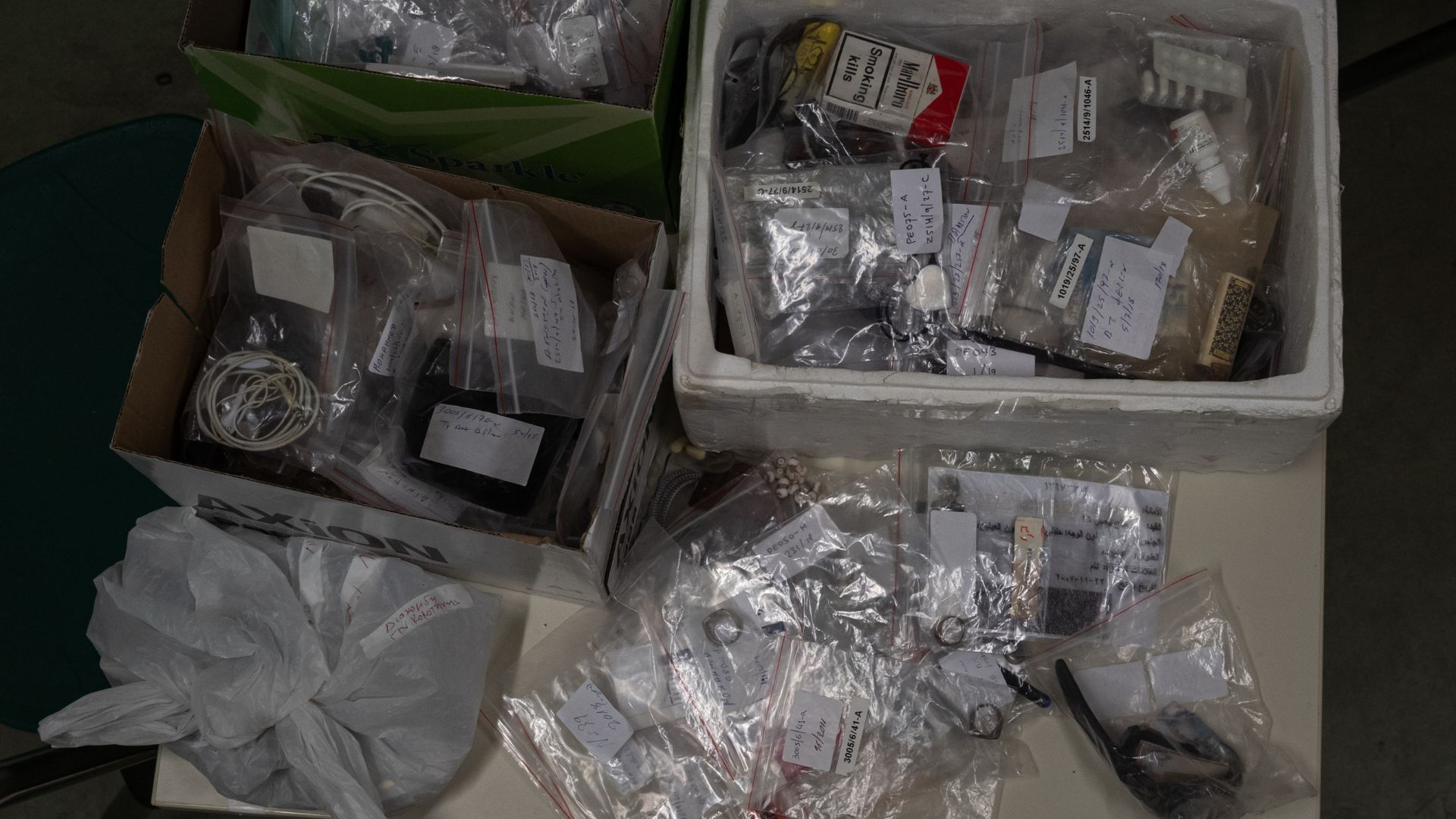
Occasional Exceptions
Yet sometimes progress happens. Kouvaris confirms that the Pylos shipwreck was an exception. In that case, the DVI protocol was activated, backed by a prosecutor. This enabled the Interpol protocol to be applied from the start, with relative order.
After inspecting the area and recovering victims and remains, available data was compiled for each deceased person—fingerprints, genetic profiles, distinguishing physical features such as tattoos, scars or dentition—with the aim of matching them with samples from families to establish identities in a transparent process.
Kouvaris performed half of the autopsies on the 83 bodies recovered from the wreck and passed the data to the DVI unit. Although he considered it well-executed work, he was reluctant to call it a success:
“It was a very good identification process, as far as we could go. It was remarkable despite the delay in receiving the bodies and their decomposition.”
Anthropologist Bikker—who also performed some of the autopsies—observed that diplomatic pressure sped up the process. Detailed autopsies were conducted to a degree rarely seen in other cases. Thanks to the DVI activation, 72 families were able to bury their loved ones of the 83 bodies recovered.
Al Talab was among them. He received an email from the body identification unit confirming that his brother’s body had been identified through DNA matching. But his troubles were not over. Greek bureaucracy added another layer of cruelty: he was told he would have to liaise with the Syrian regime’s embassy, which he strongly refused:
“It is impossible for me to contact the Syrian regime, responsible for bringing us to this tragedy.”
Determined, he booked a flight and returned to Athens to arrange for the body. There, the funeral office informed him that the Pylos victims were stored in refrigerated containers at Schistos cemetery in Perama, a suburb 12 km southwest of the city centre.
After inspecting the area and recovering victims and remains, available data was compiled for each deceased person—fingerprints, genetic profiles, distinguishing physical features such as tattoos, scars or dentition—with the aim of matching them with samples from families to establish identities in a transparent process.
Kouvaris performed half of the autopsies on the 83 bodies recovered from the wreck and passed the data to the DVI unit. Although he considered it well-executed work, he was reluctant to call it a success:
“It was a very good identification process, as far as we could go. It was remarkable despite the delay in receiving the bodies and their decomposition.”
Anthropologist Bikker—who also performed some of the autopsies—observed that diplomatic pressure sped up the process. Detailed autopsies were conducted to a degree rarely seen in other cases. Thanks to the DVI activation, 72 families were able to bury their loved ones of the 83 bodies recovered.
Al Talab was among them. He received an email from the body identification unit confirming that his brother’s body had been identified through DNA matching. But his troubles were not over. Greek bureaucracy added another layer of cruelty: he was told he would have to liaise with the Syrian regime’s embassy, which he strongly refused:
“It is impossible for me to contact the Syrian regime, responsible for bringing us to this tragedy.”
Determined, he booked a flight and returned to Athens to arrange for the body. There, the funeral office informed him that the Pylos victims were stored in refrigerated containers at Schistos cemetery in Perama, a suburb 12 km southwest of the city centre.
Farewells
After submitting his DNA sample in Athens, months passed without any word. He called, wrote, and despaired in vain. First, he thought the sample had been lost; then that the identification process had stalled. It wasn’t the wait that frustrated him as much as the uncertainty.
Where were his relatives’ bodies? As frustration grew—and after sharing experiences with others in similar situations—he researched. He learned that DNA samples from a father, mother or child are more reliable than from a sibling, and so sought to improve the sample in hopes of speeding up identification. He was not alone in the thought—but his parents and his brother’s daughter, who could offer higher-quality saliva samples, were in Syria and unable to assist. He tried to send saliva-collection kits from Germany, but high security restrictions made this nearly impossible. The only viable alternative was for the family to travel to Jordan to speed up the process there.
These are not procedures everyone can manage, nor sums of money everyone can afford. Not to mention the additional long months of waiting and the fears that accompany them. One mother of the missing persons in the shipwreck refused to leave her four children to travel alone after losing one in the wreck: “Am I going to leave them and lose them all?”
Other families refused to provide samples altogether, living in total denial of the tragedy—rejecting condolences, clinging to the faintest hope that their children were still alive, despite survivors confirming the contrary.
Until, finally, it happened. Perseverance, determination, patience and effort culminated in a positive identification through DNA one year after the shipwreck. A call came to a brother in Jordan—from the Red Cross—informing him of the body’s location and offering burial options via the Greek Red Cross: cremation, transport to Syria, or burial in a Christian cemetery. Al Ghazali thought: “None are suitable—we want to be buried in an Islamic cemetery.”
Imam Abdel Rahim Mohamed, overseeing Muslim burials in Greece, explained that such cases are managed under a «drowned persons file» and necessitate lengthy coordination and authorisations. For Syrian families, the distance, war and high cost of burial often make it impossible to identify or even say farewell.
After what felt like an interminable wait, Odai Al Talab finally faced the hardest moment: taking charge of his brother Ryad’s body. Tormented by uncertainty, on the appointed day he arrived at the gates of Schistos cemetery, where the bodies were stored. The planned burial was in the Muslim cemetery outside Komotini in northeastern Greece, hundreds of kilometres to the north.
In such cases, the Greek Ministry of Interior coordinates with the head of Muslim burials, who always fears bureaucratic chaos might resurface, and that documents could delay transporting remains from Schistos to Komotini for burial.
During long hours of waiting at the cemetery entrance, Al Talab sought comfort at the Malakasa refugee camp, joining his surviving brother who was still detained. Sharing the moment, even separated by a fence, was emotionally vital.
After hours, they were finally allowed entry. The process was horrific, inhuman, silent, broken only by Greek police, who demanded documentation and names before arbitrarily deciding only three people could enter to receive the bodies. Al Talab recalls that a uniformed officer—with insignia signalling authority—insulted and humiliated them for amusement while leading them to the mortuary basement where the remains were kept pre-burial.
A place where bodies should remain only minutes—or hours—but in actuality, they stayed much longer. Michalis Lonas, the cemetery director, explained that under Greek practice, unclaimed bodies should be buried within forty days—but the situation differs for migrants, as identifying them is harder and requires international cooperation. Hence, the delay.
Forensic staff often extend the time bodies spend in refrigeration to allow for identification and delivery to families.
Lonas noted that the large number of bodies from the Pylos disaster exceeded the cemetery’s limited capacity:
“We received orders from the Ministry of Migration and Asylum, who presumed we had capacity to accept such a number of bodies. It was very difficult for us because the cemetery is not designed to store so many. We lack sufficient refrigeration to keep the bodies as they arrive.”
What Odai and the two other families endured under those cold lights was the horror of decay. The bodies were unrecognisable. Odai recalls—with more resolve than precision—that he could recognise his brother and say goodbye—but only with his eyes. Washing him according to Muslim ritual was impossible given the state of the body.
When the day came, a full year later, for Al Ghazali to receive his brother’s remains, Odai Al Talab offered him a painful piece of advice:
“It’s better not to take one last look, because the paleness of the body turns to darkness.”
Al Ghazali decided not to travel. Since then, he is often haunted by a painful thought:
“My brother’s body was buried without being seen—and without justice.”
Where were his relatives’ bodies? As frustration grew—and after sharing experiences with others in similar situations—he researched. He learned that DNA samples from a father, mother or child are more reliable than from a sibling, and so sought to improve the sample in hopes of speeding up identification. He was not alone in the thought—but his parents and his brother’s daughter, who could offer higher-quality saliva samples, were in Syria and unable to assist. He tried to send saliva-collection kits from Germany, but high security restrictions made this nearly impossible. The only viable alternative was for the family to travel to Jordan to speed up the process there.
These are not procedures everyone can manage, nor sums of money everyone can afford. Not to mention the additional long months of waiting and the fears that accompany them. One mother of the missing persons in the shipwreck refused to leave her four children to travel alone after losing one in the wreck: “Am I going to leave them and lose them all?”
Other families refused to provide samples altogether, living in total denial of the tragedy—rejecting condolences, clinging to the faintest hope that their children were still alive, despite survivors confirming the contrary.
Until, finally, it happened. Perseverance, determination, patience and effort culminated in a positive identification through DNA one year after the shipwreck. A call came to a brother in Jordan—from the Red Cross—informing him of the body’s location and offering burial options via the Greek Red Cross: cremation, transport to Syria, or burial in a Christian cemetery. Al Ghazali thought: “None are suitable—we want to be buried in an Islamic cemetery.”
Imam Abdel Rahim Mohamed, overseeing Muslim burials in Greece, explained that such cases are managed under a «drowned persons file» and necessitate lengthy coordination and authorisations. For Syrian families, the distance, war and high cost of burial often make it impossible to identify or even say farewell.
After what felt like an interminable wait, Odai Al Talab finally faced the hardest moment: taking charge of his brother Ryad’s body. Tormented by uncertainty, on the appointed day he arrived at the gates of Schistos cemetery, where the bodies were stored. The planned burial was in the Muslim cemetery outside Komotini in northeastern Greece, hundreds of kilometres to the north.
In such cases, the Greek Ministry of Interior coordinates with the head of Muslim burials, who always fears bureaucratic chaos might resurface, and that documents could delay transporting remains from Schistos to Komotini for burial.
During long hours of waiting at the cemetery entrance, Al Talab sought comfort at the Malakasa refugee camp, joining his surviving brother who was still detained. Sharing the moment, even separated by a fence, was emotionally vital.
After hours, they were finally allowed entry. The process was horrific, inhuman, silent, broken only by Greek police, who demanded documentation and names before arbitrarily deciding only three people could enter to receive the bodies. Al Talab recalls that a uniformed officer—with insignia signalling authority—insulted and humiliated them for amusement while leading them to the mortuary basement where the remains were kept pre-burial.
A place where bodies should remain only minutes—or hours—but in actuality, they stayed much longer. Michalis Lonas, the cemetery director, explained that under Greek practice, unclaimed bodies should be buried within forty days—but the situation differs for migrants, as identifying them is harder and requires international cooperation. Hence, the delay.
Forensic staff often extend the time bodies spend in refrigeration to allow for identification and delivery to families.
Lonas noted that the large number of bodies from the Pylos disaster exceeded the cemetery’s limited capacity:
“We received orders from the Ministry of Migration and Asylum, who presumed we had capacity to accept such a number of bodies. It was very difficult for us because the cemetery is not designed to store so many. We lack sufficient refrigeration to keep the bodies as they arrive.”
What Odai and the two other families endured under those cold lights was the horror of decay. The bodies were unrecognisable. Odai recalls—with more resolve than precision—that he could recognise his brother and say goodbye—but only with his eyes. Washing him according to Muslim ritual was impossible given the state of the body.
When the day came, a full year later, for Al Ghazali to receive his brother’s remains, Odai Al Talab offered him a painful piece of advice:
“It’s better not to take one last look, because the paleness of the body turns to darkness.”
Al Ghazali decided not to travel. Since then, he is often haunted by a painful thought:
“My brother’s body was buried without being seen—and without justice.”
Comparte este articulo
More News
Bodies in the Labyrinth
06/10/2025
Presupuesto Ejemplo
21/08/2025

Prueba numero 3
22/07/2025

Prueba numero 2
22/07/2025